Ruby Ivory Digital Paper: A Versatile Resource for Creative and Professional Workflows
For creators, entrepreneurs, educators, and hobbyists alike, having the right tools at the right time can make all the difference in a project. Ruby Ivory Digital Paper offers a collection of high-quality, seamless patterns and textures that serve as an essential digital asset across various creative applications. Whether you're designing wedding invitations, personalizing your planner, or enhancing a brand's visual identity, these digital papers provide a refined and professional touch with ease.
What is Ruby Ivory Digital Paper?
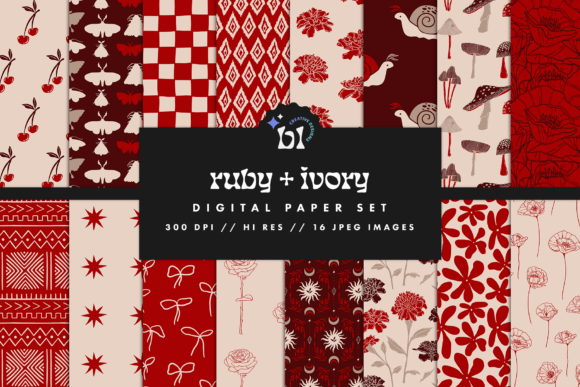
Ruby Ivory Digital Paper is a curated set of 16 premium digital paper designs available for instant download. Each image is in JPEG format, printed at 300 DPI on a standard 12 x 12 inch canvas. These files are ideal for both personal and commercial use, offering flexibility without compromising quality. As a digital product, it comes in a .ZIP file and does not include any physical components—making it convenient for those who prefer to work digitally or need quick access to design elements for print and online use.
Where It Fits Into Your Workflow
Digital papers like Ruby Ivory are more than just decorative—they play a functional role in many workflows. They can be used during the planning phase to establish a cohesive aesthetic, during execution to maintain consistency across materials, and after project completion to add finishing touches or update existing content.
In scrapbooking, for instance, these papers help lay the foundation of your page layout. For branding projects, they assist in maintaining a unified look across marketing assets such as social media templates, brochures, and packaging. In planners and productivity systems, they elevate the visual appeal while also contributing to better organization through color-coding or thematic sections.
Use Cases Across Different Fields
1. Scrapbooking and Journaling: The seamless nature of Ruby Ivory Digital Paper makes it perfect for backgrounds in both digital and physical scrapbooks. You can easily layer photos, journal entries, and embellishments over the texture to create visually engaging pages. Their high resolution ensures that when printed, the details remain crisp and clear.
2. Wedding and Event Invitations: Whether you’re crafting digital invites or printing them out, using these textures adds a touch of elegance and sophistication. Pairing them with calligraphy fonts, floral accents, or monograms helps achieve a polished look without requiring complex design skills.
3. Branding and Marketing Materials: Consistency is key in branding. Ruby Ivory Digital Paper allows designers to maintain a uniform style across business cards, websites, blog headers, and promotional emails. The versatility of the designs means they can adapt to different themes or seasons while still aligning with a brand’s core identity.
4. Websites and Blogs: Web developers and bloggers often look for ways to differentiate their platforms. These digital papers can serve as background textures for landing pages, section dividers, or even as subtle overlays to text boxes, enhancing user experience without overwhelming the interface.
How to Integrate Into Your Projects
Integrating Ruby Ivory Digital Paper into your workflow is straightforward. Here are some practical tips based on common scenarios:
- Download and Organize: After purchasing, extract the .ZIP file and store the images in a well-organized folder within your design library. Naming each file clearly (e.g., “RubyIvory_Texture_01” or “Vintage_Style_Background”) will save time when searching for specific styles later.
- Layer Smartly in Design Tools: When using Adobe Photoshop, Canva, or other graphic design software, apply the digital papers as background layers beneath text or images. Adjust opacity if needed to ensure legibility and balance. This approach keeps your design clean while adding depth and character.
- Test Print Before Finalizing: If your project involves print, always do a test run. Print one sample at full size to check how the texture interacts with ink and paper. Some textures may require slight adjustments in brightness or contrast for optimal results.
- Combine With Other Assets: Think about how these textures complement your other design elements. For example, pairing them with minimalist icons or modern typography can create a stylish contrast. On the other hand, combining them with vintage-style illustrations might enhance a retro theme.
- Adapt for Commercial Use: If you plan to use these papers in products you sell, ensure you understand the licensing terms. Since commercial use is allowed, you can confidently incorporate them into items like greeting cards, calendars, or branded merchandise.
Before, During, and After Project Implementation
Before Starting: Decide early on whether you want to use digital paper in your project. Consider the purpose and audience of your work. Are you aiming for a romantic, vintage, or contemporary feel? Ruby Ivory’s collection includes a range of options that can influence the overall mood and tone of your output.
During the Process: Use the digital papers as part of your iterative design process. Experiment with different combinations to see what works best for your layout. For web designers, applying a texture behind hero sections or navigation bars can subtly enhance the visual hierarchy without distracting users.
After Completion: These papers can also be useful post-launch. For bloggers or marketers, they can be repurposed for newsletter headers, social media posts, or email campaigns. Having a consistent texture throughout your digital presence helps reinforce your brand identity and makes your content instantly recognizable.
Compatibility and Usability Tips
To maximize usability, consider the following compatibility points:
- File Format: The JPEG format is widely supported, making it compatible with most design software and printing services. If you're working in vector-based programs like Illustrator, convert the background to a smart object or place it as a raster layer to preserve quality.
- Resolution: At 300 DPI, these files are suitable for professional printing. However, for digital use (websites, social media), you may choose to scale them down slightly to optimize loading times, especially when using multiple textures on a single page.
- Software Integration: Import the files directly into tools like Photoshop, InDesign, Procreate, or even PowerPoint. Most platforms allow for easy resizing, duplication, and layer blending, which gives you control over how the texture appears in your final piece.
Workflow Examples
Here’s how Ruby Ivory Digital Paper might fit into a few typical workflows:
- Wedding Planner Workflow:
- Begin by selecting a texture that matches the event theme.
- Use it as the base for invitation designs, RSVP cards, and thank-you notes.
- Ensure consistency by applying the same texture across all digital and print collateral.
- Freelance Designer Workflow:
- Include these textures in your client presentations or mood boards to visualize design concepts.
- Apply them to mockups for website headers, mobile app interfaces, or editorial layouts.
- Save variations of the same texture for future projects to streamline your creative process.
- Small Business Owner Workflow:
- Use the textures to create a cohesive look for your packaging, labels, and stationery.
- Repurpose them in your blog visuals or Instagram stories to maintain a professional appearance across platforms.
- Keep a backup of the original files so you can tweak them as needed for new product launches or seasonal updates.
Factors to Consider for Long-Term Use
When incorporating Ruby Ivory Digital Paper into your long-term creative or business strategies, keep these factors in mind:
- Preparation: Know your project goals before downloading. Select textures that align with your message and target audience.
- Organization: Maintain a categorized digital library to quickly retrieve these assets when needed. Group them by project type or style for efficiency.
- Efficiency: Use these files as templates rather than starting from scratch each time. This reduces workload and ensures a consistent outcome.
- Quality Control: Always preview the final design before sending it out or printing. Ensure the texture complements the rest of the content and doesn’t overpower it.
- Consistency: Stick to a limited number of textures per project to avoid visual clutter. Repeating the same pattern across related items reinforces your design language.
Getting the Most Out of Your Purchase
Once you’ve downloaded the Ruby Ivory Digital Paper pack, take a moment to explore the variety of textures included. Some may have a soft watercolor effect, while others resemble aged parchment or linen. Understanding the nuances of each will help you make informed choices when building your designs.
You can also modify the textures using basic photo editing techniques. Try adjusting the hue/saturation to match your color scheme, or overlay them with subtle gradients for added dimension. These small tweaks can significantly enhance the final result without requiring advanced design knowledge.
If you encounter issues with file extraction or formatting, don’t hesitate to reach out. The seller provides support and is happy to assist with any questions regarding implementation or technical concerns.
Conclusion
Ruby Ivory Digital Paper is a valuable addition to any creative toolkit. Its seamless, high-resolution design makes it adaptable to a wide range of uses—from personal projects to commercial endeavors. By integrating these textures into your workflow thoughtfully, you can enhance the visual appeal of your work while maintaining efficiency and professionalism.
Whether you're a designer looking to streamline your process or a small business owner wanting to elevate your branding, these digital papers offer a reliable and aesthetically pleasing solution. Use them to add depth, personality, and consistency to your next project, and discover how they can become a staple in your creative routine.